Power your home
Enjoy price security with Safe Harbor fixed price energy plans

Enjoy price security with Safe Harbor fixed price energy plans
Protecting our planet is a responsibility we all share, and we can do our part by making small but impactful changes in our daily lives, like using rechargeable batteries, choosing LED bulbs, and switching to online news. In doing so, we can reduce CO2 emissions, minimize waste, and adopt a more carbon-free lifestyle. Want to do your part and contribute to a greener future? Start by embracing these 52 carbon-free tips – practical and easy-to-implement solutions – and help create a cleaner, more sustainable world for future generations.
You might be surprised how big of an impact your house has on our climate. Everything from energy consumption to building materials can contribute to greenhouse gas emissions.
There are many ways we can improve the energy efficiency of our homes and reduce our carbon footprint. We can install proper insulation, purchase energy-efficient appliances, or invest in renewable and clean energy sources, for example. And we can start by adopting a handful of these tips and creating more climate-friendly homes.
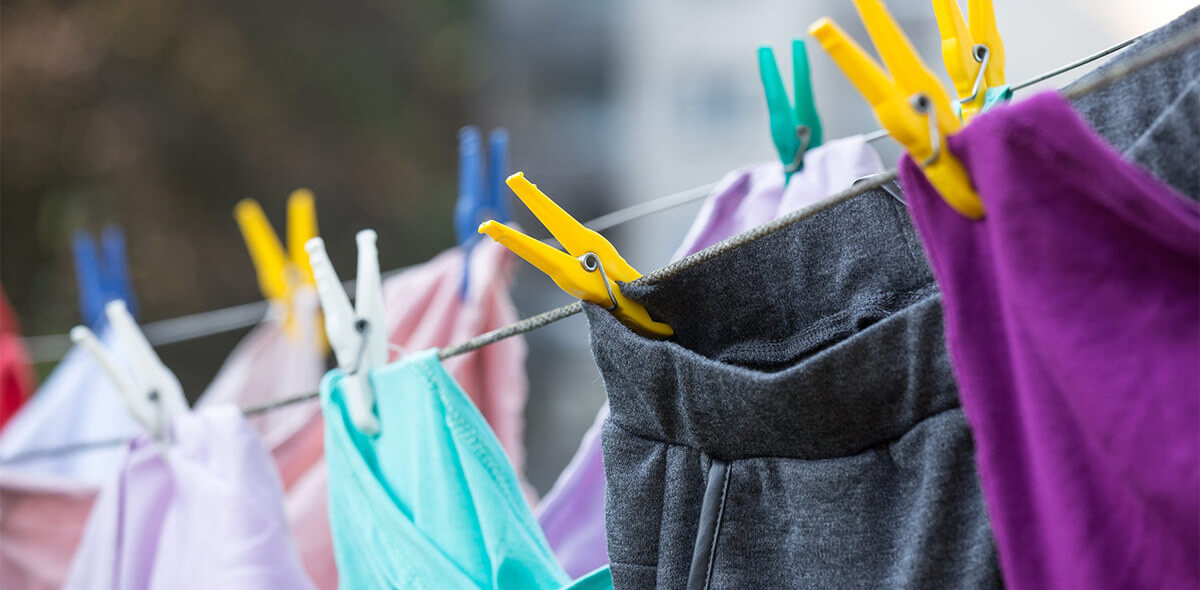
Once a week if 129 million U.S. households air-dried one load of laundry per week, we could save 103 million pounds of CO2 a year. 1
If the U.S. stopped using paper towels, we could save 270 million trees annually. 2
If every U.S. household updated their insulation, we could save close to 110 billion tons of CO2 from annual home energy leaking. 3
When you choose electronic bills and statements, you help save trees, conserve energy, and reduce water usage. You also help reduce waste, emissions, and transportation impacts associated with paper production. 4
Lighting candles is a great way to reduce stress and relax – but burning candles also emit carbon into the atmosphere. What can you do? Choose candles made from sustainable materials, like 100% soy wax and cotton wicks. 5
Every year, over 20 million pounds of discarded holiday lights arrive in Shijiao, China – the Christmas Tree Light Recycling Capital of the World. There, bales of Christmas lights are pulverized, separated, and turned into everything from slippers to new gadgets. 6
Wait. Do ceiling fans have a winter mode? They sure do. In winter mode, ceiling fans rotate clockwise to help redistribute heat in your living space. As hot air rises, it gets “stuck” under the ceiling. Winter mode pushes the air downward, allowing for more even heat distribution without overworking your HVAC system. So, when it’s time, turn your fan to winter mode, save a little money, and help save our climate. 7
In the winter, indoor air turns dry, making it difficult to retain heat. Using a humidifier moistens the air and allows for better heat conservation. 8
Improper insulation often results in the energy loss. Look and feel around doors and windows for leak signs. Temporarily fix gaps and holes with weather stripping or caulk, then choose a more durable solution once weather permits. 9
Conserve energy use and lower your carbon footprint by making your home do the work for you. Make sure it's adequately insulated, install energy-saving windows, use a programmable thermostat, and light your way with energy saving lighting. 10
Collect rainwater and save it to use for watering your plants later. Doing so reduces the carbon cost of water extraction and transportation. 11
Opting to purchase or make your own organic soap promotes both health benefits and sustainability efforts as the soap is made from products that have not encountered pesticides, herbicides, or chemical fertilizers. These often contribute to pollution and global warming. You can even go above and beyond and add your organic soap slivers to the next bar! 12
Unnecessary mail contributes, in part, to deforestation and wasted resources. The Federal Trade Commission provides consumers with ways to stop junk mail from marketers. Do this and you can help environmental sustainability efforts by lowering the need for paper production and consumption. 13
Save your dryer lint in an old paper towel or toilet paper rolls. Use them as a handy fire starter for the fireplace or campfire. It also makes a great addition to a compost pile. Stray sweater fibers make a good snack for the bacteria typically found in soil.
But don’t save it for the birdies. Contrary to popular belief, lint CANNOT be used for nesting material since some fibers will crumble when wet. 14
You might be surprised to learn it isn’t the energy consumed while using your laptop or running a load of laundry that’s most harmful to climate change. It’s the energy-intensive process used to create and maintain the device or appliance. Improper e-waste disposal, reliance on rare earth metals, data centers, and cloud services support – all these things consume vast amounts of electricity. And we won’t even get into transportation and labor costs.
Thankfully, there’s a lot we can do to help mitigate the impact, from choosing energy-efficient devices to recycling e-waste responsibly and supporting sustainable manufacturers. Here are a few ways how:
An improperly disposed battery becomes an environmental hazard. If we switched to rechargeable batteries and got at least 50 recharges out of each, we would reduce the number of batteries thrown out each year by 100 million. 15
Lighting accounts for nearly 5% of global CO2 emissions. If we all switched to LED lighting, we could save 1.4 billion tons of CO2 and save up to 70% of energy consumption on lighting. 16
Opting for refurbished or second-hand electronics reduces the demand for new manufacturing and lowers carbon emissions associated with production. Plus, many pre-owned devices are in excellent condition at a fraction of the cost. 17
If every U.S. household turned down their water heater temperature to 120 degrees F, we could save about 67 billion pounds of CO2 a year. 18
Let your appliances be the Star. Energy Star-approved appliances have eliminated more than 4 billion tons of greenhouse gas emissions over the years. 19
Stream movies through your smart TV or from your phone to your TV, not your game console. Game console energy consumption is about 10 to 25 times higher since the technology isn’t optimized to stream films. 20
Before you toss something, make sure it’s unrepairable. A ripped seam, a cracked screen, or a broken zipper? A quick fix most often. By repairing, restoring, and giving the stuff we already own some love, we can reduce carbon emissions by 85%. 21
Unplugging appliances eliminates phantom power drains, which expand your carbon footprint, and plugging small kitchen appliances, like a coffee maker and toaster, into one power strip makes it easy to unplug them all at once. 22
Skip disposable dishes and wash your dinnerware in an energy-efficient dishwasher instead. If you need disposable plates, choose compostable or biodegradable options. If you order takeout, wash and reuse the plastic containers. 23
When spring cleaning, don’t forget the back of your fridge. Dusty coils can increase energy consumption by 30%. 24
Installing low-flow faucets, toilets, and showerheads will significantly reduce your water consumption and, consequently, your water bill. 25
Do you know what a food mile is? It’s the distance food travels from the place of production to your plate. The farther food must travel, the greater its contribution to climate change. That’s why buying local is highly valued in climate conservation circles. There are fewer food miles in that farm-to-table equation.
Great news. You can make many carbon-free choices. You can reduce food waste and opt for clean energy cooking methods.
If everyone in the U.S. chose a reusable water bottle, we could save about 75 million tons of CO2. 26
If every U.S. household went meatless one day a week, we could save over 992 million pounds of carbon. 27
Season your summer with carbon-free living. If every U.S. citizen bought local produce or shopped at a farmer’s market, we could save up to 6.5% of our annual carbon emissions. 28
Buying food items in bulk can reduce packaging emissions by 48% compared to buying the same items in their normal proportions. 29
The food industry produces about 3 tons of CO2 emissions annually through transportation alone. Buying in-season produce reduces the energy used to transport and store food. 30
You usually can’t recycle pizza boxes because food left on the containers – melted cheese, burnt pepperoni – contaminates the cardboard. Don’t throw it all away, though. The more you recycle, the more you lessen your carbon footprint – so split the difference. Rip off the pizza box’s greasy half and recycle the clean half. 31
Traditional tea bags contain plastic that is not biodegradable. Include additional packaging needs, and suddenly a single tea bag becomes 210 grams of CO2 – about 10x higher than loose leaf! If you use tea bags, store them in a reusable container and refrigerate the bags. Reuse them to soothe puffy eyes, or ease the sting of sunburn, bug bites, and blisters. 32
What can we say about transportation and its impact on climate change? Nearly a quarter of all global energy-related CO2 emissions can be attributed to the cars we drive, the trucks that deliver our online purchases, and the planes that take us on vacation.
Changing the way we view transportation might be the hardest habit to break, but if we want to embrace a sustainable future, it’s time to start thinking about transitioning to electric vehicles, choosing public transportation, and shopping for more fuel-efficient options.
If we replaced every car in the U.S. with a bicycle, we’d reduce annual carbon emissions by 1.3 billion metric tons. That’s a tough sell, though. We do love our cars. Instead, let’s commit to choosing a bike over a car whenever we can. If we do so once a day, we would reduce our personal transportation-related emissions by 67 percent. 33
If we all drove closer to 55 mph, we could save about 3 billion gallons of gas or 60 billion pounds of CO2 a year. 34
By taking the bus or train for your commute, you can save 30% of your carbon emissions for your household every year. 35
Close enough to walk to the store? If you drove 10 miles less every week you could eliminate about 500 pounds of CO2 emissions a year. 36
Put the bucket away. Washing your car at home might save you cash, but not the environment. Most commercial car washes use 60% less water to clean your entire car. Commercial car washes also have absorption systems that prevent the chemical-filled water from traveling into storm drains. Take it a step further and find an eco-friendly car wash company that uses a closed-loop system or partial recycle system. 37
If everyone in the U.S. drove to work with one extra person, we would save 33 million gallons of gas – or 643 million pounds of CO2 – every day. 38
Choosing a carbon-free lifestyle means choosing carbon-free leisure activities, too.
Everyone needs a little downtime, but it’s worth taking a moment to make sure your favorite activity isn’t harming the environment. Some outdoor activities can damage vulnerable ecosystems, for example, large-scale events often consume a lot of energy. If it’s not renewable or clean energy, that’s a problem.
That said, who doesn’t want to see Beyoncé with 30,000 of your closest friends? Help balance out the carbon consumption of big events by making these carbon-free leisure activity choices.
Wearing layers is not only fashionable but also allows you to easily adjust to your changing environment. Too hot? Take a layer off! It also allows you to conserve energy by lowering your home’s thermostat in colder months. Every degree reduces carbon emissions, after all. 39
Americans use 1 billion plastic bags a year. If we all switched to reusable shopping bags, we could save over 158 billion kg of CO2 a year. 40
If every U.S. resident bought second-hand clothes more often, we could save over 150 billion pounds of CO2 every year. 41
Tourism accounts for 8% of global carbon emissions. Help lower that by occasionally vacationing in your backyard. 42
1.9 billion pounds of CO2 are used to print books every year. Lower your carbon footprint. Borrow that book instead. 43
While travel may not be completely carbon-free, you can make your trip more sustainable. If you travel by plane, pick a flight without a transfer. Choose a sustainable airline or purchase your tickets through an eco-friendly airline service. Have you already booked your flight? Consider switching to a clean energy fixed-rate plan to help balance your flight's CO2 emissions. 44
It may seem like the climate change go-to, but if we all planted one tree, we could knock out 3.6 million tons of carbon every year. 45
If everyone in the U.S. composted food waste, we could save 25 million tons of waste, the CO2 equivalent of removing 7.8 million cars from the road. 46
Even our favorite holidays can impact our climate through increased energy consumption, food waste, travel emissions, energy-intensive decorations, and disposable items. And, yes, all of those things – holiday lights, overeating, escaping the cold by plane, and so on - sound like a lot of fun. And the holidays still can be, even when you’re being sustainable.
Commit to planning meals to reduce food waste, opting for eco-friendly transportation, and properly recycling or composting waste. By adopting climate-friendly practices during holidays, we can reduce our carbon footprint and promote a more sustainable way of celebrating.
The U.S. produces 2 billion pounds of pumpkin annually, of which 1 billion winds up in landfills turning into methane. Composting all that pumpkin drastically reduces our collective carbon footprint. 47
Five quick tips to help you celebrate more climate friendly.
Birthday or anniversary? Wrap presents in reusable gift wrap like fabric, bags, or ribbon. If gifts won’t fit, use butcher paper and natural twine. Butcher paper is recyclable and takes about 2 to 6 weeks to break down in your compost pile. You can throw natural twine in the compost pile, too. Or leave it for birds, who will use it to build nests. 49
By embracing plant-based meals during holiday feasts, you can make a significant impact. If each household chooses plant-based options for one festive meal, we could collectively save hundreds of thousands of tons of carbon emissions on that special day. 50
Eco-friendly treats and decorations can make a difference this Halloween. If every trick-or-treater received candy wrapped in compostable or recyclable packaging, we could prevent tons of plastic waste from ending up in landfills and oceans. 51
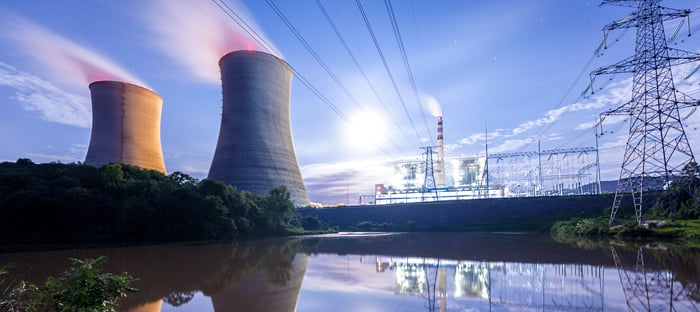
By choosing clean energy solutions like those offered by Energy Harbor, we can significantly reduce carbon emissions. One step further? If communities and governments worldwide prioritize nuclear power as a reliable and low-emission energy source, we could pave the way for a cleaner and more sustainable future. 52