Power your home
Enjoy price security with Safe Harbor fixed price energy plans

Enjoy price security with Safe Harbor fixed price energy plans
That’s the average length of time U.S. customers experience power interruptions each year according to the U.S. Energy Information Administration. Due in part to an antiquated infrastructure, the United States experiences more power outages than any other developed country. There’s a good chance you will eventually deal with a prolonged period without power.
Most outages we encounter last a handful of minutes before power is restored. That’s by design, as specialized electrical equipment instantaneously opens and closes a breaker to clear temporary short circuits.
Total system failures and blackouts, however, can last several hours or a couple of days, depending on severity. Power outages during extreme temperatures present even more risks to property and safety. Frozen pipes can burst, flooding the home. Pets and residents can overheat without air conditioning, or suffer hypothermia without heat. Existing health conditions that rely on electrical equipment or temperature-controlled medications become much harder to manage.
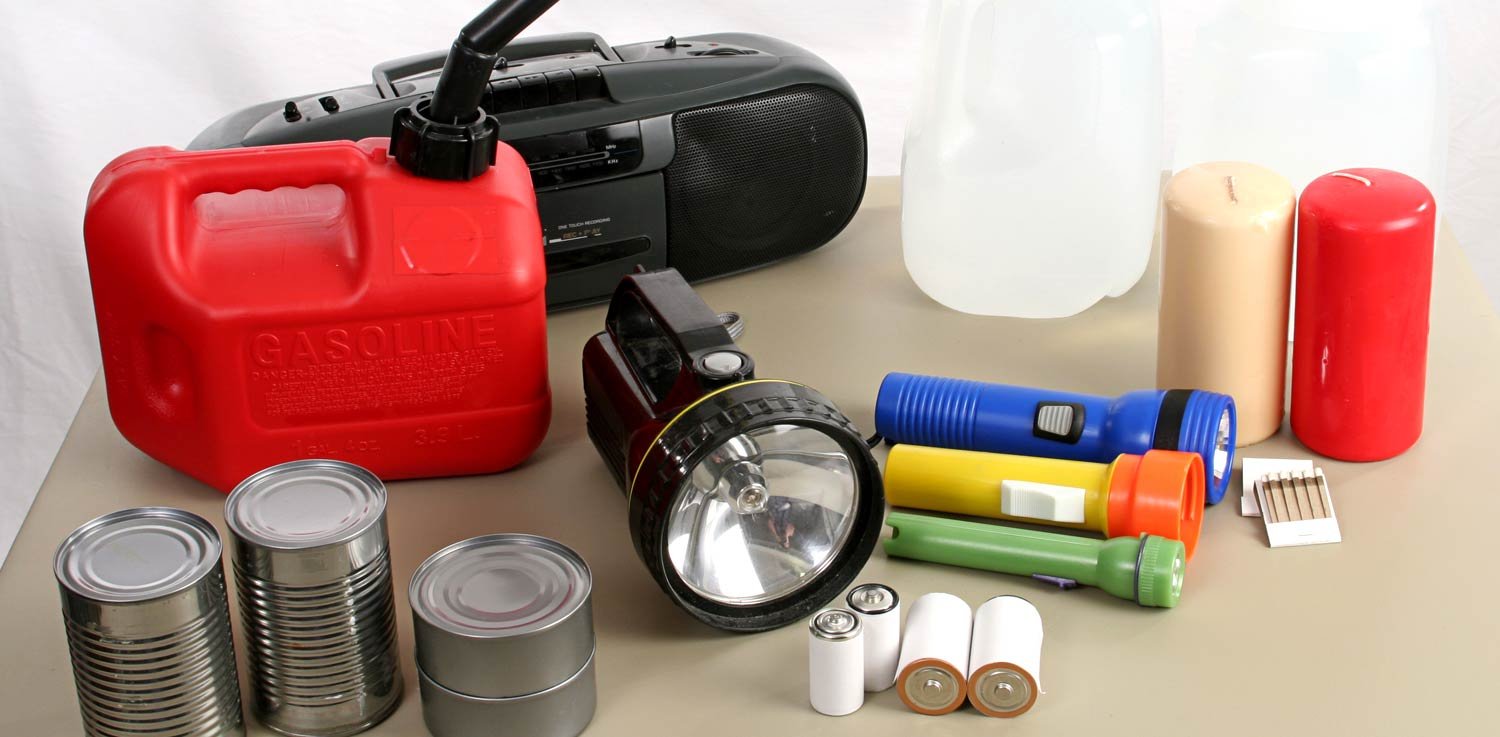
All the items you need to prepare for a prolonged power outage.
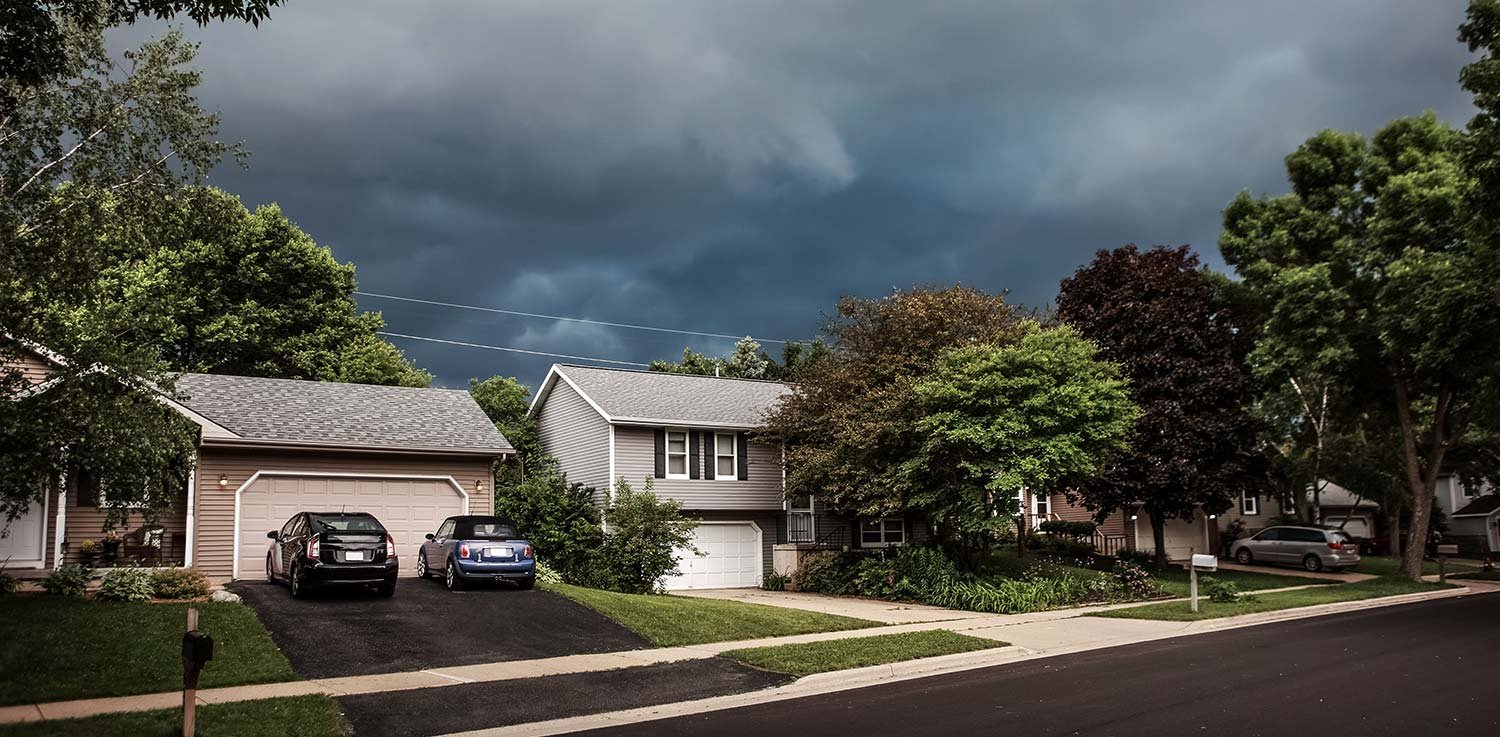
Severe weather is the No. 1 cause of outages. When we think of power outages, thunderstorms or extreme weather events like earthquakes and hurricanes may come to mind. But high winds on sunny days and freezing rain and ice during winter months are just as likely to cut power.
Mother Nature is to blame in other ways, too. Birds nesting in sensitive equipment or squirrels chewing through a wire can put you in the dark. Dead tree branches can down power lines, and natural corrosion can cause electrical failures.
Equipment failures are common, in fact. Cables, connectors, and transformers fail for a variety of reasons, from faulty components to normal wear and tear. And human error – car accidents or digging before checking for lines, for example – can knock out the electricity for an extended period.
While extended outages are relatively rare, preparing for the unpredictable can help ensure the best outcome. Energy Harbor’s Power Outage Emergency Kit Checklist will walk you through all the steps you need to know to prepare for a prolonged power outage.
During short outages, most of us struggle with boredom more than anything else. But longer outages present bigger challenges. Several items we take for granted become difficult or impossible to use.
The refrigerator and freezer stop preserving food. Electric pump-assisted faucets and toilets no longer work. Without a functioning electric-powered water heater, showers run cold.
Traveling, even to the grocery store around the corner, presents added dangers. Traffic lights are out or may flash red, creating confusion and congestion. Stores that don’t have generators for backup power most likely will be closed. And if they are open, it’s possible credit and debit systems won’t work. That’s one of the reasons why a power outage survival kit includes cash as an essential item.
The best way to manage a power outage is to be prepared well before an outage even occurs. To do so requires commitment and a little bit of time and effort.
Prepare for the next power outage by following these four steps:
Every plan should start with an emergency kit for the entire family. The kit should include essentials like water, non-perishable foods, hand- or solar-powered communication tools, portable power supplies and a first aid kit. It might also include books, games, puzzles, and other ways to overcome boredom.
Consider your personal circumstances, too. Do you live alone? Have a small family? What essential items does a toddler require? And don’t forget about the family pet. Use Energy Harbor’s comprehensive Power Outage Emergency Kit Checklist to identify both essential and non-essential items.
There are many factors that could compel you to leave your home during a power outage, from extreme weather events to downed power lines. In some cases, you may have little or no time to gather belongings before evacuating. It’s important to create an evacuation plan for your family.
A good plan is as simple as identifying where you or your family will find shelter, typically with a friend or relative that lives outside of the affected area. That person may also act as a point-of-contact if family members become separated or live apart.
You should also consider packing an evacuation or “bug-out bag” with clothing and supplies for three days. Pack this bag differently than a standard vacation suitcase. Consider what you would need if your family showed up at a friend’s house before they were prepared for overnight company. Beyond clothing and toiletries, include blankets, pillows, non-perishable food, water and copies (digital or otherwise) of important documents like health insurance information and your driver’s license.
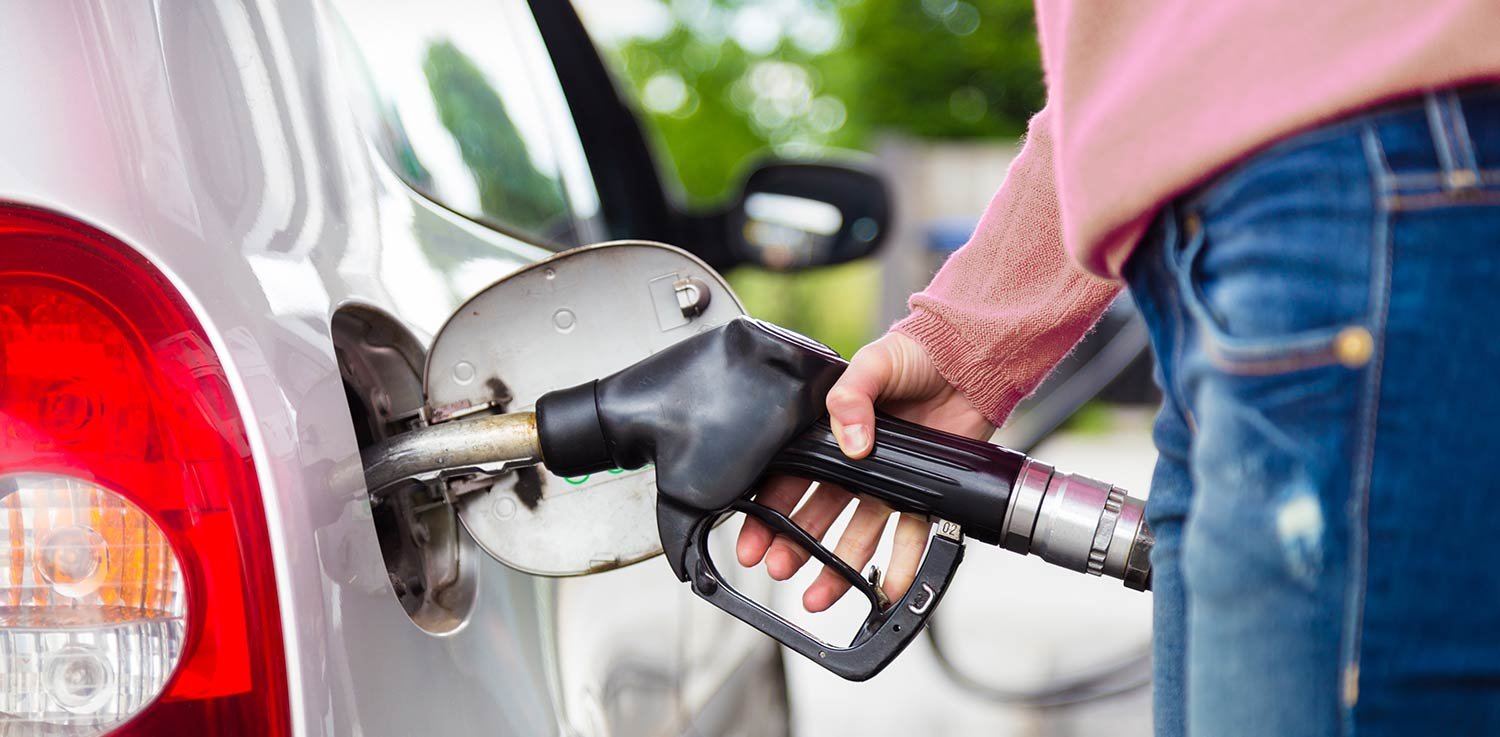
Most important, if you live in an area prone to extreme weather or flash flooding, ensuring your vehicle is ready for a long trip could make all the difference. Keep the gas tank filled at least half-way. Consider storing extra fuel in gas cans for both filling the car if you’re caught with a low tank or carrying with you if gas stations are inoperable or unreachable.
If your ride is prepped, but you can’t get it out of the garage, that’s trouble. Learn how to manually open your garage door using the red safety cord. Practice a few times so you know the necessary steps in case you need to evacuate in a hurry.
Take some time to sign up for weather alerts through your favorite weather app or local weather station. Alerts will give you time to reach safety in the event of a serious storm – or just keep you from getting wet.
Your utility company may offer power alerts, too, which will let you know when there’s an outage in your area, when your power might return, or when the company is scheduling a planned outage.
All the items you need to prepare for a prolonged power outage.
When the lights flicker and everything goes dark, most of us will spend the first few minutes waiting for the power to return. Rather than grumbling, get up and tackle these simple tasks to keep you and your home safe for the duration.
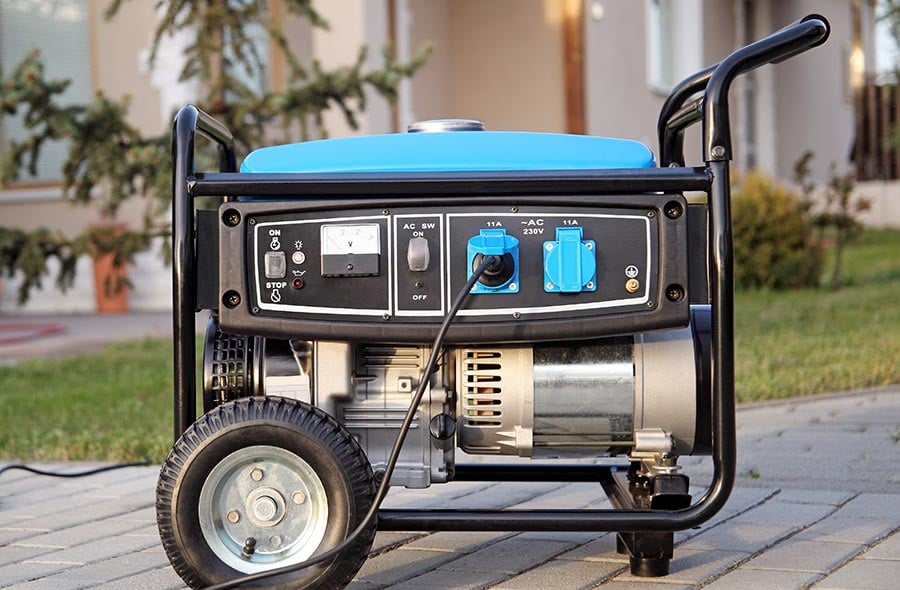
Many homeowners today purchase home generators to provide power during an outage. A small generator can run a freezer and refrigerator, for example, as well as provide power to charge phones and turn on lights. Larger generators can power the entire home. If you’ve purchased a generator for backup power, be sure to contact an electrician to install a safe connection to your panel, determine what you can power with the generator, and practice how to use it. A fully assembled generator is worthless if it’s not correctly connected to the home, or if you aren’t comfortable using it before the power goes out.
Most generators run on gasoline, which emits carbon monoxide as a byproduct. Carbon monoxide can reach deadly levels relatively quickly, which is why homeowners should never operate a generator indoors, including in sheds or garages. Keep your generator away from open windows, doors, and vents, as well, to avoid carbon monoxide entering the home. Make sure your carbon monoxide detectors have a battery backup, and that you test your detectors monthly.
When power returns, plug in appliances and electronic devices, reset clocks, and, when it makes sense, check your home for storm or power surge damage.
Use a thermometer to check the refrigerator’s inside temperature. If it is above 40 degrees F – and likely has been for more than two hours – discard perishables and any other food that has an unusual odor or color. Also, discard medication meant to stay refrigerated unless otherwise instructed by your pharmacist.
Inventory the items in your Power Outage Emergency Kit Checklist. Replace any items you’ve used and recharge your power banks to be sure you are prepared for your next power outage.
Enter your zip code to see energy plans in your area.